
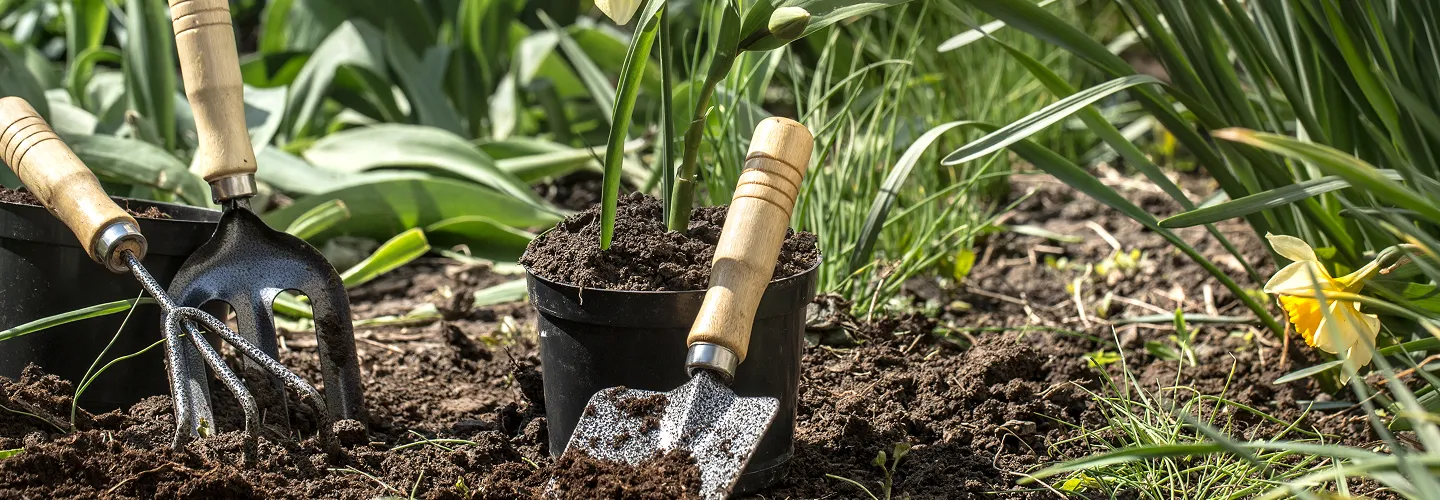
Hephzibah Fertilizing Lawn Services
Choose our fertilizing lawn services for lush, healthy grass that stands out in your neighborhood—our expert care ensures your lawn receives the nutrients it needs for vibrant growth and long-lasting beauty.
Get a Free QuoteOur Hephzibah Landscaping & Yard Care Services
When to Schedule Fertilizing Lawn in Hephzibah, Georgia – Seasonal Guide
In Hephzibah, Georgia, timing your lawn fertilization is crucial for achieving a lush, healthy yard that thrives in our unique climate. The best periods for fertilizing are typically early spring and early fall, when soil temperatures are moderate and grass is actively growing. Local neighborhoods like Windsor Spring and the areas surrounding Diamond Lakes Park often experience mild winters and hot, humid summers, making it important to avoid fertilizing during peak heat or just before the first frost.
Environmental factors such as Hephzibah’s clay-heavy soils, variable rainfall, and the risk of late spring frosts can all impact the effectiveness of your fertilization schedule. Properties near wooded areas or with significant shade coverage, like those close to Spirit Creek, may require different timing and fertilizer blends. For more information on local guidelines and best practices, consult resources like the Sudbury municipal site.
Local Factors to Consider for Fertilizing Lawn in Hephzibah
- Tree density and shade coverage, especially in neighborhoods with mature oaks and pines
- Soil composition, with many areas featuring clay-rich or compacted soils
- Seasonal precipitation patterns and drought risk during late summer
- Terrain variations, such as sloped yards near Spirit Creek
- Municipal restrictions or recommendations on fertilizer use
- Proximity to water features or protected green spaces
Benefits of Fertilizing Lawn in Hephzibah
Enhanced Lawn Health
Improved Grass Growth
Weed and Pest Resistance
Greener, Lusher Appearance
Customized Fertilization Plans
Professional Local Expertise
Hephzibah Fertilizing Lawn Types

Warm-Season Grass Fertilization
-
Cool-Season Grass Fertilization
-
Organic Lawn Fertilization
-
Weed and Feed Treatments
-
Starter Fertilizer for New Lawns
-
Slow-Release Fertilizer Applications
-
Seasonal Fertilizer Programs
Our Fertilizing Lawn Process
Soil Analysis
Fertilizer Selection
Application Scheduling
Even Fertilizer Distribution
Post-Application Inspection
Why Choose Hephzibah Landscape Services
-
Hephzibah Homeowners Trust Us
-
Expert Lawn Maintenance
-
Reliable Scheduling
-
Competitive Pricing
-
Professional Team
-
Satisfaction Guarantee
-
Personalized Service
Hephzibah's Sandy Loam Soils and Their Impact on Lawn Fertilizer Retention
Hephzibah sits within the upper Coastal Plain region of Georgia, where soils transition from Piedmont red clay into sandy loam and loamy sand compositions. According to the USDA Web Soil Survey, predominant soil series in the Hephzibah area include Orangeburg, Norfolk, and Dothan sandy loams—well-drained soils with moderate to rapid permeability. These characteristics directly affect how lawn fertilizers behave after application. Key considerations for Hephzibah property owners include:
- Nutrient leaching: Sandy soils allow nitrogen and potassium to move below the root zone quickly, reducing fertilizer effectiveness and increasing groundwater contamination risk.
- Soil pH: Local soils typically range from 5.0 to 6.0, which is moderately acidic. Lime applications may be necessary before fertilizing to ensure nutrient availability.
- Organic matter: Sandy loam soils in this area tend to have low organic content, meaning they hold fewer nutrients between applications.
- Soil testing: The UGA Cooperative Extension recommends soil testing every two to three years to determine precise pH, phosphorus, and potassium levels before establishing a fertilization program.
Hephzibah falls within USDA Hardiness Zone 8b, with average minimum winter temperatures between 15°F and 20°F. This zone supports warm-season turfgrasses that respond best to fertilization during active growth periods rather than during dormancy.
Optimal Fertilization Timing for Hephzibah's Long Warm-Season Growth Period
Hephzibah's extended warm season—typically lasting from mid-April through mid-October—creates a wide fertilization window, but timing applications correctly is essential for turf health and environmental protection. The National Weather Service Augusta-area forecast office monitors local conditions that influence application scheduling. Warm-season grasses common in Hephzibah, including bermudagrass, centipedegrass, and zoysiagrass, each have distinct fertilization requirements:
- Bermudagrass: Apply the first fertilization when soil temperatures reach 65°F consistently, typically mid-April in Hephzibah. Follow with applications every six to eight weeks through August. Avoid fertilizing after September 15 to allow proper hardening before frost.
- Centipedegrass: This low-maintenance turf requires minimal fertilization—typically one to two applications per year. Over-fertilizing centipedegrass causes iron chlorosis and decline. Apply no more than one to two pounds of nitrogen per 1,000 square feet annually.
- Zoysiagrass: Begin fertilization in May after full green-up. Apply two to three pounds of nitrogen per 1,000 square feet across the growing season, split into two or three applications.
Avoid fertilizing any warm-season turf during July and August drought stress periods unless supplemental irrigation is available through Hephzibah's municipal water system. Property owners should verify current watering guidelines with Hephzibah Public Utilities before scheduling fertilizer applications that require post-application irrigation.
Hephzibah Public Utilities
Official Website: Hephzibah Public Utilities
Protecting Hephzibah's Drainage Ditches and Storm Conveyances During Fertilizer Applications
Hephzibah's landscape includes numerous roadside drainage ditches, low-lying swales, and stormwater conveyance channels that ultimately connect to tributaries of Spirit Creek and other waterways within the Savannah River watershed. Fertilizer runoff entering these systems contributes to nutrient loading, algal growth, and degradation of downstream water quality. The Georgia EPD Watershed Protection Branch oversees water quality standards that apply to nonpoint source pollution, including residential and commercial fertilizer use. Property owners and lawn care providers in Hephzibah should observe the following precautions:
- Buffer distances: Do not apply granular or liquid fertilizer within 10 feet of any drainage ditch, stormwater inlet, or defined waterway. Use a deflector shield on broadcast spreaders near these features.
- Rain timing: Avoid application when rainfall exceeding 0.5 inches is forecast within 24 hours. Check the National Weather Service Augusta forecast before scheduling.
- Sweep-back: Any fertilizer granules that land on sidewalks, driveways, curbs, or impervious surfaces must be swept back onto the lawn immediately—never hosed into the street or gutter.
- Slow-release formulations: Use slow-release or controlled-release nitrogen sources to reduce the volume of soluble nutrients available for runoff during heavy summer storms.
Hephzibah's Code Enforcement office monitors property maintenance standards that may intersect with drainage and runoff concerns. Properties where fertilizer misapplication causes visible runoff or ditch contamination may be subject to local ordinance review.
Hephzibah Code Enforcement
Official Website: Hephzibah Code Enforcement
How Georgia's Fertilizer Act Affects Lawn Nutrition Practices in Hephzibah
The Georgia Fertilizer Act of 1997 establishes statewide standards for the labeling, sale, and distribution of fertilizer products. While the Act primarily regulates manufacturers and distributors, its provisions have practical implications for Hephzibah residents and lawn care professionals. The Georgia Department of Agriculture - Fertilizer division enforces these requirements. Key points relevant to lawn fertilization include:
- Guaranteed analysis: Every fertilizer product sold in Georgia must display a guaranteed analysis showing the percentage of nitrogen (N), phosphate (P₂O₅), and potash (K₂O). Hephzibah property owners should match these ratios to their soil test results rather than applying a generic blend.
- Professional applicators: Commercial lawn care operators applying fertilizer in Hephzibah should maintain familiarity with the Act's labeling requirements and ensure products used match the labeled application rates.
- Phosphorus awareness: While Georgia does not currently impose a statewide phosphorus fertilizer ban for lawns, UGA Extension guidance recommends applying phosphorus only when soil tests indicate a deficiency—a common situation in Hephzibah's sandy soils where phosphorus levels can vary significantly by lot.
- Record keeping: Professional applicators should document product names, application rates, dates, and lot locations to demonstrate compliance with both state regulations and any future local ordinance requirements.
Residents seeking guidance on fertilizer selection can contact the Richmond County office of UGA Cooperative Extension for soil test kits and interpretation assistance specific to Hephzibah-area soils.
Hephzibah's Property Maintenance Standards and Lawn Condition Expectations
Hephzibah's Code Enforcement department administers local ordinances related to property maintenance, which can intersect with lawn fertilization practices. Properties exhibiting excessive weed growth, bare soil patches, or turf decline may be subject to code review, and a consistent fertilization program is one component of maintaining compliance with community standards. Property owners and managers should be aware of the following considerations:
- Turf coverage: Maintaining adequate turf density through proper fertilization reduces bare soil exposure, which in turn limits erosion and sediment movement into Hephzibah's drainage infrastructure.
- Weed pressure: Under-fertilized lawns in Hephzibah's sandy soils are particularly susceptible to invasion by crabgrass, dollarweed, and chamberbitter. A properly timed fertilization schedule promotes turf density that naturally suppresses weed establishment.
- Frontage and right-of-way: Lawn areas along road frontage and within public right-of-way zones are visible and subject to community appearance standards. Fertilization of these areas should account for proximity to drainage ditches and impervious surfaces.
- Coordination with zoning: For properties undergoing development review or site plan approval, Hephzibah's Planning and Zoning department may require landscape maintenance plans that include fertilization schedules as part of overall site management.
Hephzibah Planning and Zoning
Official Website: Hephzibah Planning and Zoning
What Neighborhoods Do We Serve Throughout Hephzibah, GA?
- Windsor Spring Road Corridor: Properties along this central corridor feature established lots with mature tree canopy and compacted sandy loam soils that benefit from split fertilizer applications and periodic lime treatments to correct pH.
- Tobacco Road Area: Lots in this area often include wooded edges and low-lying sections near drainage swales, requiring careful fertilizer placement to avoid nutrient movement into adjacent wet areas.
- Brothersville Road Vicinity: This area includes a mix of older residential properties and newer development with varying soil conditions—from undisturbed sandy loam to graded fill soils that may require additional organic amendment before fertilization programs are effective.
- Hephzibah Town Center: Properties near the municipal core tend to have smaller lot sizes with higher impervious surface ratios, making sweep-back practices and buffer-conscious application especially important.
- Pine Log Road Neighborhoods: Residential subdivisions along Pine Log Road feature open, sun-exposed bermudagrass lawns that respond well to a three- to four-application fertilization schedule during the warm season.
- Spirit Creek Watershed Properties: Homes adjacent to Spirit Creek tributaries must exercise heightened caution with fertilizer timing and product selection to protect this sensitive local waterway from nutrient runoff.