
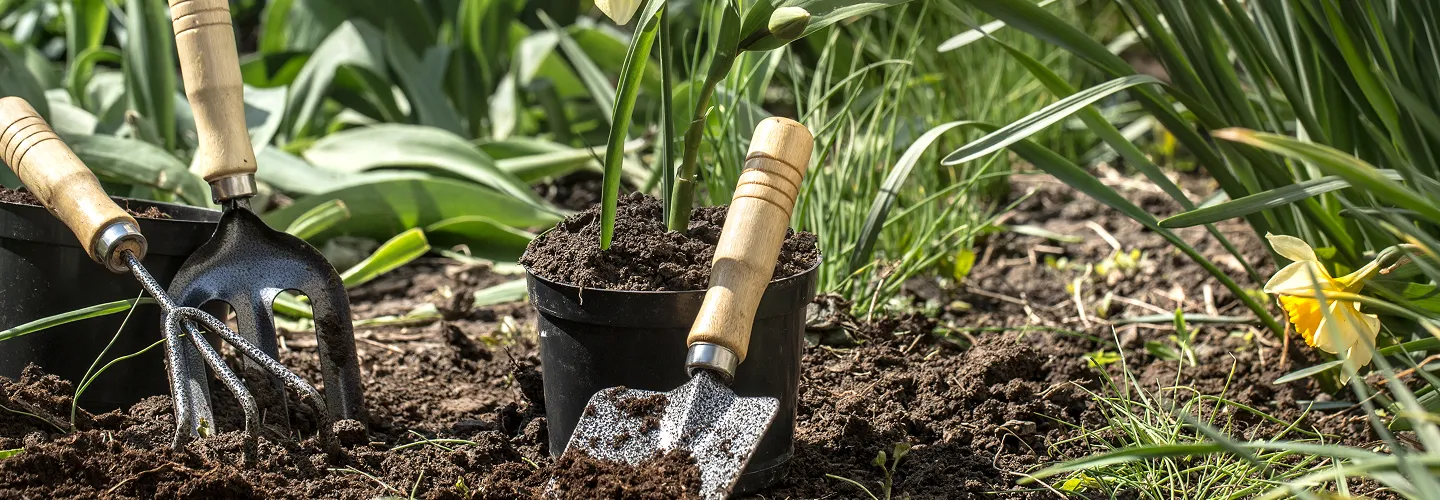
Hephzibah Dethatching Lawn Services
Choose our dethatching lawn services for a healthier, greener yard—our experienced team removes built-up thatch to improve soil health, boost grass growth, and ensure your lawn looks its best all season long.
Get a Free QuoteOur Hephzibah Landscaping & Yard Care Services
When to Schedule Dethatching Lawn in Hephzibah, Georgia – Seasonal Guide
In Hephzibah, Georgia, the best time to schedule lawn dethatching is typically in early spring or early fall, when grass is actively growing and can recover quickly. The region’s humid subtropical climate, with its warm summers and mild winters, means that dethatching is most effective after the last frost date—usually in late March or early April—or as temperatures begin to cool in September. Neighborhoods near Spirit Creek and the Hephzibah City Park often experience dense shade and higher humidity, which can contribute to thatch buildup and influence the ideal timing for this service.
Local environmental factors such as sandy or clay-heavy soils, common in areas around Windsor Spring Road, and the risk of summer droughts should also be considered. Homeowners should avoid dethatching during periods of extreme heat or drought, as this can stress the lawn. For more information on local regulations and best practices, visit the official city resource.
Local Factors to Consider for Dethatching Lawn in Hephzibah
- Tree density and shade coverage, especially in established neighborhoods
- Soil type (sandy vs. clay-heavy soils)
- Average precipitation and risk of drought
- Frost dates and seasonal temperature shifts
- Terrain and drainage patterns
- Municipal restrictions or guidelines on lawn care services
Benefits of Dethatching Lawn in Hephzibah
Improved Lawn Health
Enhanced Grass Growth
Better Water Absorption
Reduced Pest Problems
Increased Curb Appeal
Professional Landscaping Expertise
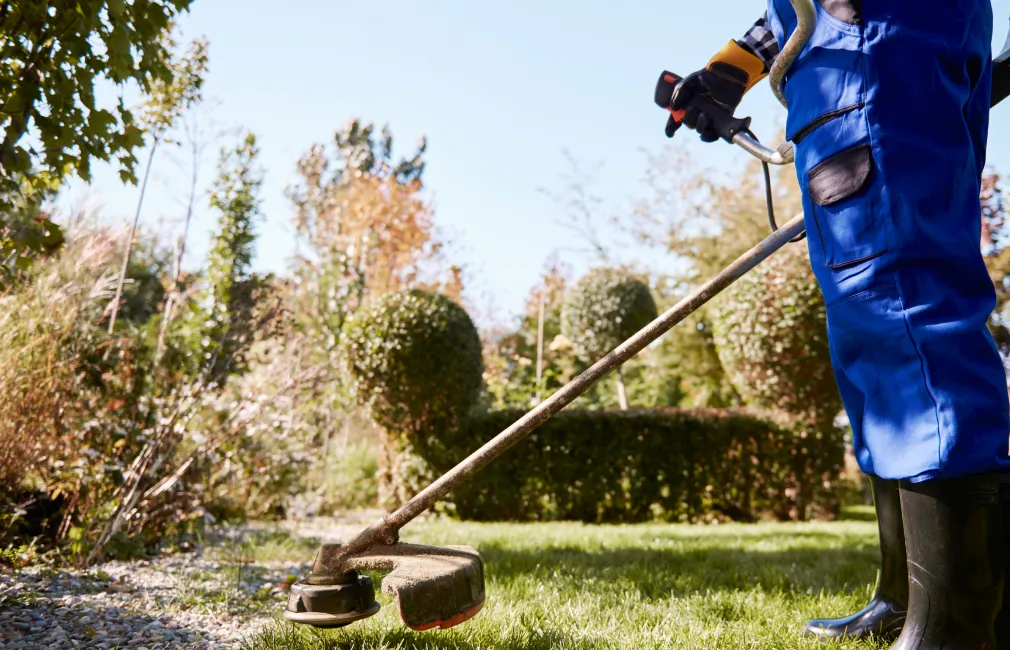
Hephzibah Dethatching Lawn Types

Cool-Season Grass Dethatching
-
Warm-Season Grass Dethatching
-
Residential Lawn Dethatching
-
Commercial Lawn Dethatching
-
Sports Field Dethatching
-
Golf Course Dethatching
-
Park and Recreation Area Dethatching
Our Dethatching Lawn Process
Lawn Evaluation
Thatch Depth Measurement
Dethatching Equipment Setup
Thatch Removal
Cleanup and Disposal
Why Choose Hephzibah Landscape Services
-
Hephzibah Homeowners Trust Us
-
Expert Lawn Maintenance
-
Reliable Scheduling
-
Competitive Pricing
-
Professional Team
-
Satisfaction Guarantee
-
Personalized Service
Hephzibah's Sandy Coastal Plain Soils and Their Role in Thatch Accumulation
Hephzibah sits within the upper Coastal Plain of Georgia, classified in USDA Hardiness Zone 8b, where warm-season turfgrasses such as bermudagrass, centipedegrass, and zoysiagrass dominate residential landscapes. The area's predominant soils—including the Fuquay, Orangeburg, and Lakeland series mapped through the USDA Web Soil Survey—are characteristically sandy, acidic (often pH 4.8–5.8), and well-drained. While rapid drainage reduces surface waterlogging, these sandy soils support limited microbial decomposition of organic matter, which allows thatch layers to build more quickly than in loamier environments. Key factors that accelerate thatch in Hephzibah lawns include:
- Low soil pH suppressing earthworm and microbial activity that would otherwise break down dead stolons and roots
- Sandy texture offering minimal clay content to bind organic residues
- Extended warm seasons (approximately 230–240 frost-free days) promoting aggressive stolon growth in bermudagrass and zoysiagrass
- High summer humidity encouraging dense canopy growth without proportional decomposition
When thatch exceeds approximately one-half inch in depth, water infiltration, nutrient uptake, and air exchange at the root zone are significantly impaired. Residents can verify their soil series and pH through the UGA Cooperative Extension Richmond County office, which provides soil testing services that inform both dethatching timing and any corrective liming needs.
Optimal Dethatching Windows for Hephzibah's Long Warm-Season Growth Period
Timing dethatching correctly is essential for turf recovery, and Hephzibah's climate provides a well-defined window. The National Weather Service Columbia, South Carolina forecast office serves the Augusta–Hephzibah area and tracks the seasonal temperature patterns that govern turf dormancy and active growth. For warm-season grasses prevalent in Hephzibah, dethatching should occur during peak active growth to allow rapid recovery:
- Bermudagrass: Late April through mid-June, when soil temperatures consistently exceed 65°F at a four-inch depth
- Zoysiagrass: May through early June, after full green-up is established
- Centipedegrass: Late May through June only; centipedegrass recovers slowly and should never be dethatched during dormancy or early spring transition
Dethatching during dormancy or late fall risks exposing root systems to winter cold stress and weed invasion. Hephzibah's average last spring frost falls near mid-March, and soil temperatures typically reach the 65°F threshold by mid-to-late April. Property owners should monitor soil temperature rather than relying solely on calendar dates, as Hephzibah's proximity to the Savannah River corridor can create microclimatic variation. Power raking or vertical mowing should be scheduled when at least four to six weeks of active growth remain before summer heat stress peaks in late July and August.
How Hephzibah Code Enforcement Standards Affect Lawn Maintenance and Thatch Removal
The City of Hephzibah maintains property maintenance standards through its Code Enforcement department, which addresses overgrowth, neglected turf conditions, and nuisance vegetation on residential and commercial parcels. While dethatching itself does not require a permit, the process generates significant organic debris—dead stolons, matted grass, and root material—that must be managed in compliance with local disposal expectations. Excessive thatch accumulation can contribute to conditions that attract pests, retain moisture against foundations, and create an unkempt appearance that may trigger code enforcement review.
Property owners and managers should be aware of the following considerations:
- Thatch debris should not be deposited in drainage ditches, stormwater conveyances, or public rights-of-way
- Accumulated yard waste from dethatching should be bagged, composted on-site, or disposed of through Augusta-Richmond County's solid waste collection system, as Hephzibah coordinates certain waste services at the county level
- Properties with persistent turf decline due to unmanaged thatch may be subject to property maintenance citations if the lawn deteriorates to a condition that violates local standards
Residents with questions about property maintenance requirements or yard waste disposal compliance should contact Hephzibah Code Enforcement directly.
Hephzibah Code Enforcement
Official Website: Hephzibah Code Enforcement
Protecting Hephzibah's Drainage Ditches and Stormwater Conveyances During Dethatching
Hephzibah's landscape includes numerous roadside drainage ditches, low-lying areas adjacent to Spirit Creek and its tributaries, and stormwater conveyances that ultimately discharge into the Savannah River watershed. Dethatching operations produce loose organic material that, if not properly contained, can wash into these drainage features during rain events and contribute to nutrient loading and blockages. The Georgia EPD Watershed Protection Branch oversees water quality standards that apply to discharges affecting these waterways, and the federal Clean Water Act establishes the broader regulatory framework for protecting surface waters from pollutant runoff.
Practical steps to prevent dethatching debris from entering local waterways include:
- Collecting all loosened thatch immediately after mechanical dethatching, using a bagging mower or landscape rake before rainfall
- Avoiding dethatching within 25 feet of drainage ditches or creek banks to prevent direct deposit of organic material into conveyances
- Scheduling dethatching during dry weather windows when at least 48 hours of dry conditions are forecast, reducing the risk of debris transport by stormwater
- Never blowing or raking thatch material toward storm drains, ditches, or low-lying wet areas
Properties adjacent to Spirit Creek or other mapped waterways should exercise particular caution. Augusta-Richmond County's stormwater management program, which extends into the Hephzibah area, may impose additional requirements for properties within floodplain or buffer zones. Verify current setback and buffer requirements with Hephzibah's Planning and Zoning department.
Hephzibah Planning and Zoning
Official Website: Hephzibah Planning and Zoning
Georgia Pesticide and Fertilizer Considerations Following Dethatching in Hephzibah
Dethatching is frequently paired with overseeding, fertilization, or pre-emergent herbicide application, and Georgia state law governs the professional use of these products. Under the Georgia Pesticide Use and Application Act of 1976, any commercial applicator applying pesticides—including pre-emergent or post-emergent herbicides on a dethatched lawn—must hold a valid Georgia pesticide applicator license issued through the Georgia Department of Agriculture. Similarly, the Georgia Fertilizer Act of 1997 regulates the distribution and labeling of fertilizer products used in the state.
Key regulatory and practical points for Hephzibah residents include:
- Do not apply pre-emergent herbicides immediately after dethatching if overseeding is planned; pre-emergents inhibit seed germination and should be delayed until new turf is established (typically 60–90 days post-seeding)
- Post-dethatching fertilization should use a soil-test-guided approach; Hephzibah's acidic sandy soils often benefit from a balanced starter fertilizer with phosphorus, but only if soil testing confirms a deficiency
- Lime applications are frequently warranted on Hephzibah lawns to raise pH toward the 6.0–6.5 range preferred by bermudagrass and zoysiagrass; apply lime after dethatching when the soil surface is exposed for better incorporation
- Verify that any hired lawn care professional holds current Georgia pesticide licensing before allowing chemical applications on a freshly dethatched lawn
The UGA Cooperative Extension provides soil testing and turf management guidance specific to Richmond County conditions.
What Neighborhoods Do We Serve Throughout Hephzibah, GA?
- Windsor Spring Road Corridor: This central residential corridor features established lots with mature bermudagrass and centipedegrass lawns on sandy Fuquay-series soils. Thatch buildup is common due to long growing seasons and infrequent mechanical maintenance on older properties.
- Tobacco Road Area: Properties along and near Tobacco Road often sit on gently rolling terrain with Orangeburg sandy loam soils. Drainage is generally good, but thatch layers can impede water penetration during summer dry spells, making timely dethatching critical.
- Brothersville Road Neighborhoods: Newer subdivisions in this area feature compacted fill soils from construction grading, which compounds thatch-related drainage problems. Dethatching paired with core aeration is often necessary to restore root-zone air exchange.
- Highway 88 Residential Areas: Properties near the Highway 88 corridor include a mix of older homesteads and newer developments. Larger lot sizes and bermudagrass-dominant turf require power raking equipment suited to expansive lawn areas.
- Spirit Creek Adjacent Properties: Homes near Spirit Creek and its tributaries must exercise particular care during dethatching to prevent organic debris from entering waterways. Buffer-zone awareness and debris containment are essential in these low-lying areas.
- Meadowbrook and Pine Forest Subdivisions: These established neighborhoods feature mature tree canopy that creates shade stress on turf, contributing to thin grass and thatch imbalance. Dethatching in shaded zones requires careful timing to avoid further weakening turf that already competes with tree roots for moisture and nutrients.