
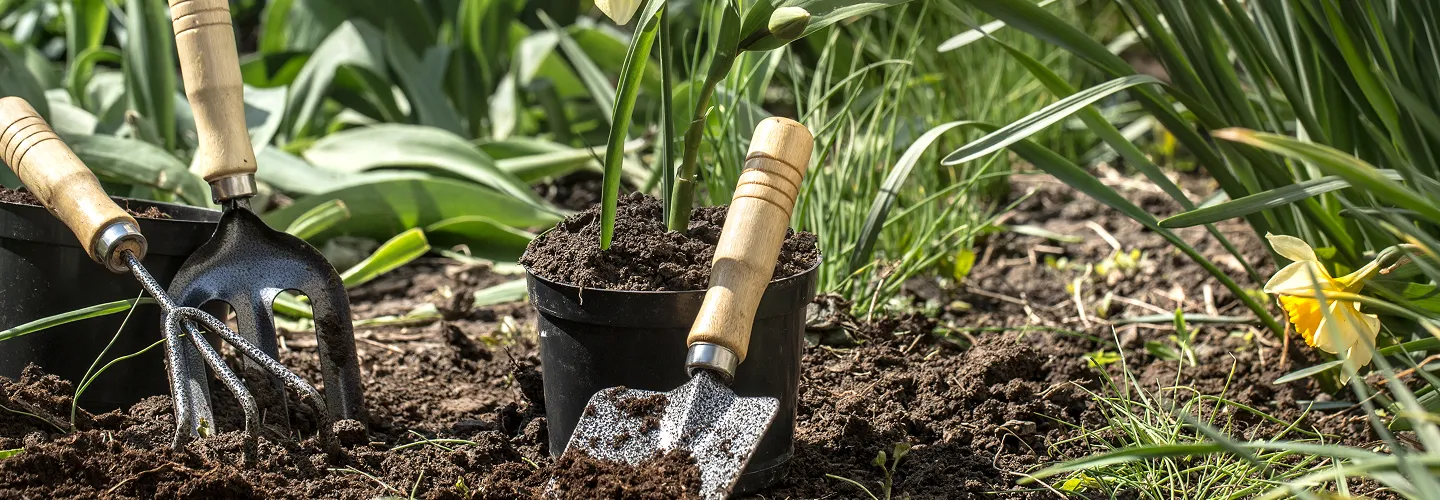
Hephzibah Flower Planting Services
Choose our Flower Planting services for expert design, healthy blooms, and vibrant gardens that enhance your home's beauty and curb appeal all season long.
Get a Free QuoteOur Hephzibah Landscaping & Yard Care Services
When to Schedule Flower Planting in Hephzibah, Georgia – Seasonal Guide
Flower planting in Hephzibah, Georgia, is best scheduled with careful attention to our region’s unique climate and landscape. The ideal planting windows are typically early spring, after the last frost date in late March, and early fall, when soil temperatures remain warm but the risk of drought decreases. Neighborhoods near Spirit Creek and the Hephzibah City Park often experience slightly cooler microclimates, which can extend the planting season by a few weeks.
Local factors such as high summer humidity, occasional drought conditions, and the sandy-loam soils common in areas like Windsor Spring all play a role in determining the best time for flower planting. It’s important to monitor municipal guidelines and resources like the Sudbury town website for updates on water restrictions or community planting initiatives.
Local Factors to Consider for Flower Planting in Hephzibah
- Proximity to mature trees and shade coverage
- Soil drainage and composition (sandy-loam is prevalent)
- Average precipitation and drought risk
- Frost dates (typically late March for last frost)
- Terrain slope and erosion potential
- Municipal watering restrictions or guidelines
- Neighborhood-specific microclimates (e.g., near Spirit Creek or Windsor Spring)
Benefits of Flower Planting in Hephzibah
Enhanced Curb Appeal
Increased Property Value
Expert Plant Selection
Seasonal Color Variety
Low Maintenance Solutions
Professional Landscaping Team
Hephzibah Flower Planting Types

Perennial Flower Beds
-
Annual Flower Displays
-
Native Wildflower Gardens
-
Shade Garden Plantings
-
Pollinator-Friendly Borders
-
Seasonal Bulb Planting
-
Container Flower Arrangements
Our Flower Planting Process
Site Evaluation
Soil Preparation
Plant Selection
Careful Planting
Watering and Mulching
Why Choose Hephzibah Landscape Services
-
Hephzibah Homeowners Trust Us
-
Expert Lawn Maintenance
-
Reliable Scheduling
-
Competitive Pricing
-
Professional Team
-
Satisfaction Guarantee
-
Personalized Service
Hephzibah's Sandy Loam Soils and Their Impact on Flower Bed Preparation
Hephzibah sits within the upper Coastal Plain region of Georgia, where soils transition from Piedmont red clay into sandy loam and loamy sand series such as the Fuquay, Norfolk, and Orangeburg types commonly mapped in Richmond County through the USDA Web Soil Survey. These soils tend to be acidic, often registering a pH between 4.8 and 5.8, and they drain rapidly, which presents both advantages and challenges for flower planting. Rapid drainage reduces the risk of root rot in ornamental beds but accelerates nutrient leaching, requiring more deliberate soil amendment strategies. Before installing annual or perennial flower beds, property owners should consider the following site preparation steps:
- Test soil pH and nutrient levels through the UGA Cooperative Extension soil testing program, which provides lime and fertilizer recommendations specific to ornamental plantings.
- Incorporate two to three inches of composted organic matter into the top eight to ten inches of soil to improve moisture retention and nutrient-holding capacity.
- Apply dolomitic lime if pH falls below 5.5, as most flowering annuals and perennials perform best in a range of 5.8 to 6.5.
- Avoid over-tilling sandy soils, which can destroy existing organic structure and increase erosion on sloped lots.
Hephzibah falls within USDA Plant Hardiness Zone 8b, supporting a wide range of warm-season and transitional flowering species suited to the area's long frost-free period.
Optimal Flower Planting Windows for Hephzibah's Extended Growing Season
Hephzibah's climate, characterized by mild winters and long, humid summers, provides an extended window for flower planting that differs significantly from northern Georgia communities. The average last spring frost typically occurs in mid-March, and the first fall frost generally arrives in mid-November, yielding approximately 240 frost-free days annually. Residents and property managers should plan planting schedules around these key timing guidelines:
- Cool-season annuals such as pansies, violas, snapdragons, and dianthus should be planted from late October through early November for winter and early spring color, and again in late February if supplemental plantings are desired.
- Warm-season annuals including zinnias, lantana, pentas, vinca, and celosia should be installed after the last frost date, generally from late March through mid-April, once nighttime temperatures consistently remain above 55°F.
- Perennials such as coneflower, black-eyed Susan, daylily, and salvia are best planted in early spring (March through April) or early fall (September through October) when root establishment can occur before temperature extremes.
- Summer bulbs like caladiums and elephant ears should not be planted until soil temperatures reach 65°F at a four-inch depth, typically by mid-April in Hephzibah.
The National Weather Service Augusta-area forecast office provides localized frost advisories and temperature data that can help residents time plantings precisely.
How Hephzibah's Code Enforcement Standards Affect Frontage and Bed Maintenance
Property owners in Hephzibah should be aware that the city's Code Enforcement department monitors property maintenance standards, including the condition of front-yard landscaping and planting beds along public-facing frontage. Overgrown, neglected, or debris-filled flower beds may trigger code compliance action, particularly when vegetation encroaches on sidewalks, obstructs sightlines at intersections, or creates conditions that attract pests. Key considerations for flower planting projects in relation to local code standards include:
- Maintain planted beds so that vegetation does not extend into public rights-of-way or obstruct pedestrian access along sidewalks and road shoulders.
- Remove dead plant material, spent annuals, and accumulated debris from beds promptly to avoid nuisance vegetation complaints.
- Verify current setback and visibility requirements with the city before installing raised beds or tall plantings near corner lots or driveways.
- Confirm that any structural elements such as retaining walls, edging, or bed borders within the right-of-way comply with local zoning provisions.
Residents with questions about property maintenance expectations or frontage planting restrictions should contact Hephzibah's Code Enforcement office. For projects involving significant site changes or grading, the Hephzibah Planning and Zoning department can clarify whether development review applies.
Hephzibah Code Enforcement
Official Website: Hephzibah Code Enforcement
Hephzibah Planning and Zoning
Official Website: Hephzibah Planning and Zoning
Protecting Stormwater Drainage and Local Waterways During Bed Installation in Hephzibah
Hephzibah is located within the Savannah River watershed, and several small creeks and drainage channels run through or near residential areas within the city limits. Flower bed installation, particularly projects involving soil disturbance, grading, or the application of fertilizers and soil amendments, can contribute to sediment runoff and nutrient loading if proper precautions are not observed. The Georgia EPD Watershed Protection Branch oversees water quality standards that apply to activities generating runoff into state waters. Property owners and contractors should follow these environmental best practices when planting flowers in Hephzibah:
- Avoid disturbing soil or installing beds during heavy rain events; schedule bed preparation during dry periods to minimize sediment transport.
- Use mulch—two to three inches of pine straw, shredded hardwood, or pine bark—immediately after planting to stabilize exposed soil and reduce erosion.
- Apply granular fertilizers and soil amendments directly into the bed area rather than broadcasting near storm drains, ditches, or drainage swales.
- On properties adjacent to creeks or drainage channels, maintain a vegetated buffer of at least 25 feet between flower beds and the waterway edge to filter runoff.
- Direct irrigation water into beds rather than allowing overspray onto impervious surfaces that drain to storm inlets.
Hephzibah Public Utilities manages water and wastewater infrastructure within the city. Residents should verify that flower bed irrigation practices comply with any seasonal water conservation advisories that may be issued during drought conditions.
Hephzibah Public Utilities
Official Website: Hephzibah Public Utilities
Selecting Heat-Tolerant and Native Flowering Species Suited to Hephzibah Landscapes
Hephzibah's position in USDA Hardiness Zone 8b, combined with summer temperatures that frequently exceed 95°F and high relative humidity, demands careful species selection for flower planting projects. Plants that cannot tolerate sustained heat, humidity-driven fungal pressure, or the area's acidic sandy loam soils will decline rapidly. The UGA Cooperative Extension publishes regionally adapted plant lists that are particularly useful for Richmond County property owners. The following species categories are well suited to Hephzibah conditions:
- Heat-tolerant annuals: Vinca (Catharanthus roseus), lantana, pentas, portulaca, angelonia, and ornamental sweet potato vine thrive in full-sun Hephzibah beds through the hottest months.
- Native and adapted perennials: Coreopsis, butterfly weed (Asclepias tuberosa), native azaleas, purple coneflower (Echinacea purpurea), and coral honeysuckle provide long-term color while supporting pollinators and requiring less supplemental irrigation once established.
- Shade-tolerant options: For beds beneath mature pines or hardwoods, consider impatiens (in sheltered locations), caladiums, hostas, and ferns, which tolerate the filtered light common on wooded Hephzibah lots.
- Pollinator-friendly selections: Georgia's Forestry Commission and UGA Extension encourage the use of native flowering plants that support bees, butterflies, and other beneficial insects, including bee balm, goldenrod, and native asters.
Residents should avoid planting species listed on the UGA Extension invasive species registry, such as Chinese privet or Japanese honeysuckle, which can escape cultivated beds and displace native vegetation in nearby wooded areas and stream corridors.
What Neighborhoods Do We Serve Throughout Hephzibah, GA?
- Windsor Spring Road Corridor: Properties along this central corridor feature a mix of established residential lots with mature pine canopy and newer development on cleared land, creating varied sun exposure and soil compaction conditions that influence flower bed design and species selection.
- Brothersville Road Area: This area includes larger rural-residential parcels with sandy loam soils and open sun exposure, well suited to full-sun annual beds and perennial borders, though irrigation access may be limited on some properties.
- Tobacco Road Vicinity: Lots near Tobacco Road often feature gentle slopes and proximity to drainage channels, requiring attention to erosion control and mulching practices when establishing new flower beds.
- Highway 88 Residential Sections: Residential properties along and adjacent to Highway 88 include subdivisions with compacted fill soils from recent grading, where organic amendment and soil testing are particularly important before planting.
- Peach Orchard Road Neighborhoods: Properties in this area near the Augusta-Richmond County boundary feature mixed development ages, with older lots offering mature shade trees that influence plant selection toward shade-tolerant flowering species.
- Hephzibah City Center: Lots near the city center tend to be smaller with established landscaping, where flower bed renovation, seasonal color rotation, and frontage maintenance are common service needs aligned with local code expectations.