
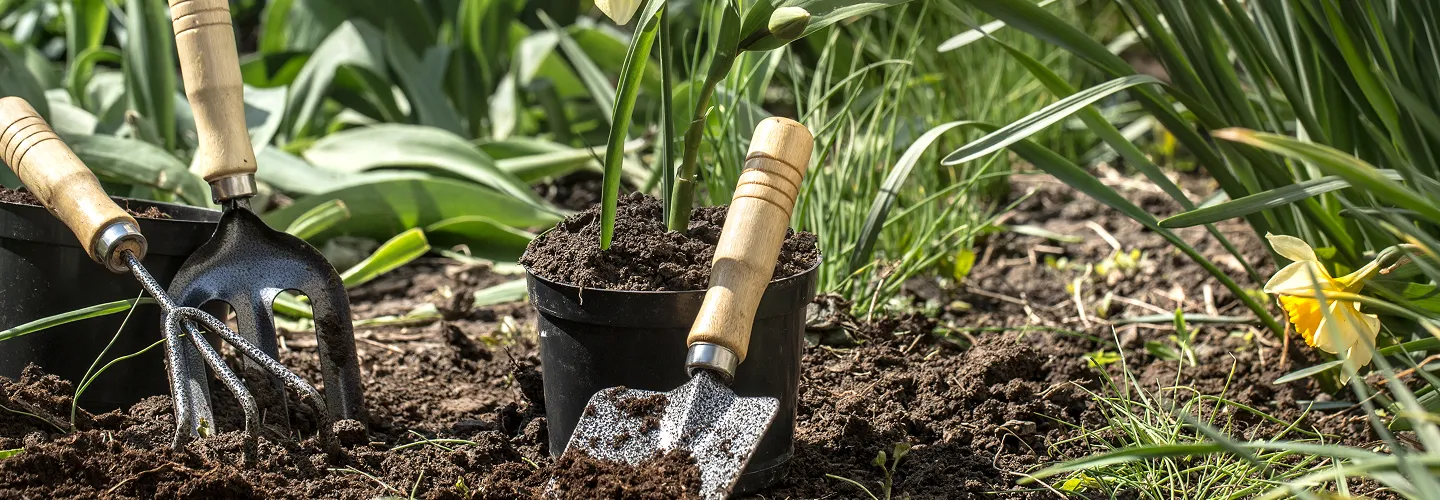
Hephzibah Flower Bed Maintenance Services
Choose our Flower Bed Maintenance for expert care, vibrant blooms, and a weed-free garden—so you can enjoy a beautiful, healthy landscape without the hassle.
Get a Free QuoteOur Hephzibah Landscaping & Yard Care Services
When to Schedule Flower Bed Maintenance in Hephzibah, Georgia – Seasonal Guide
In Hephzibah, Georgia, the best times for flower bed maintenance are closely tied to our region’s unique climate and landscape. With mild winters and hot, humid summers, most homeowners in neighborhoods like Spirit Creek and near Diamond Lakes Park find that early spring and late fall are optimal for tasks such as mulching, pruning, and soil amendment. These periods avoid the extremes of summer heat and winter frost, allowing plants to recover and thrive.
Local factors such as the average last frost date in late March and the risk of summer droughts play a significant role in scheduling. Areas with dense shade from mature oaks or pines, common in subdivisions off Windsor Spring Road, may require different timing than sunnier lots. Soil composition—often sandy loam in Hephzibah—affects drainage and nutrient retention, influencing when and how often maintenance is needed. For more information on local environmental guidelines, visit the Sudbury municipal resource.
Local Factors to Consider for Flower Bed Maintenance in Hephzibah
- Tree density and shade coverage around your property
- Soil type and drainage, especially in low-lying areas
- Seasonal precipitation patterns and drought risk
- Proximity to landmarks like Diamond Lakes Park, which may affect microclimates
- Municipal restrictions or neighborhood association guidelines
Benefits of Flower Bed Maintenance in Hephzibah
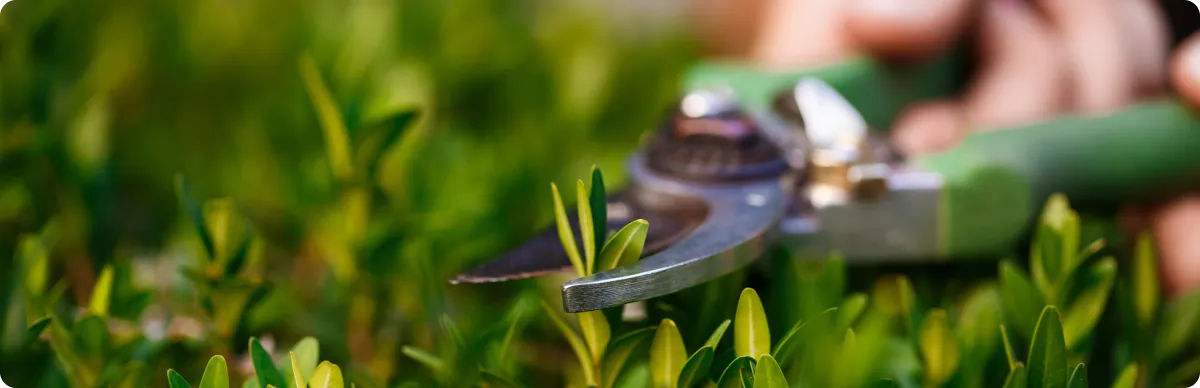
Enhanced Curb Appeal
Weed and Pest Prevention
Healthier Plant Growth
Seasonal Color Variety
Professional Landscaping Expertise
Increased Property Value
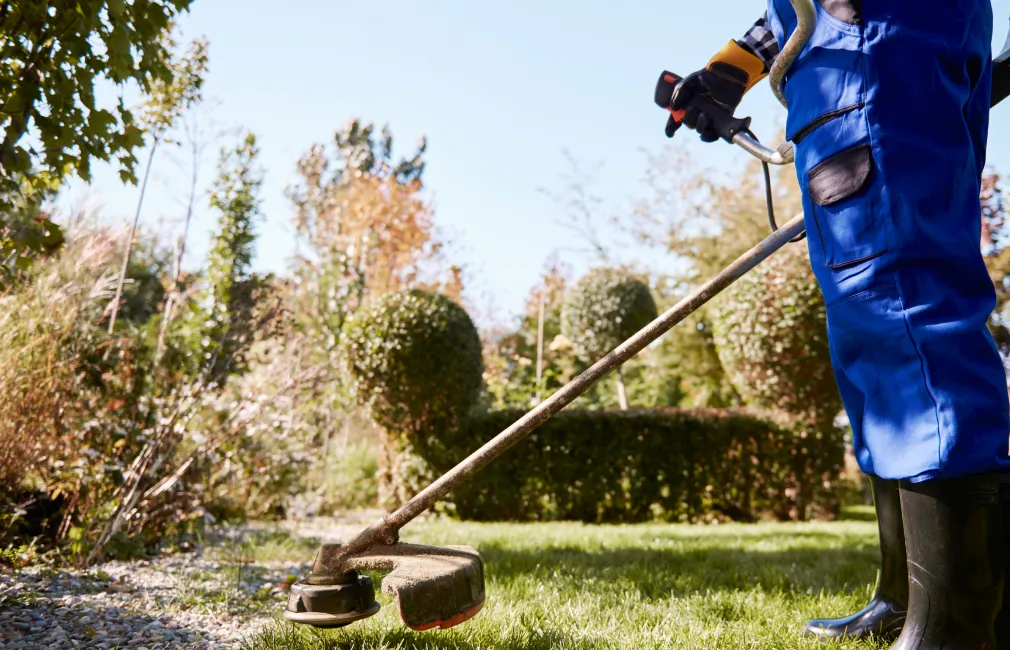
Hephzibah Flower Bed Maintenance Types

Seasonal Flower Planting
-
Weed Control Services
-
Mulching and Soil Conditioning
-
Pruning and Deadheading
-
Fertilization Programs
-
Pest and Disease Management
-
Edging and Bed Redefining
Our Flower Bed Maintenance Process
Site Evaluation
Weed Removal
Soil Preparation
Plant Care
Mulching
Why Choose Hephzibah Landscape Services
-
Hephzibah Homeowners Trust Us
-
Expert Lawn Maintenance
-
Reliable Scheduling
-
Competitive Pricing
-
Professional Team
-
Satisfaction Guarantee
-
Personalized Service
Hephzibah’s Clay Soils and Drainage Considerations for Flower Bed Maintenance
Hephzibah is situated within Georgia’s Middle region, where soils are predominantly Cecil and Orangeburg series—well-drained, acidic red clays with moderate to high compaction risk. These soils can impede root growth and water infiltration, making proper bed preparation essential for healthy flowers. Residents should test soil pH (typically 5.0–6.0 locally) and amend with organic matter to improve structure and drainage. Raised beds are recommended in low-lying or poorly drained areas, especially near local creeks and stormwater ditches. Key steps include:
- Conducting a soil test through UGA Cooperative Extension
- Incorporating 2–4 inches of compost before planting
- Avoiding overwatering, especially during summer storms
- Monitoring for runoff into adjacent storm drains or ditches
Seasonal Flower Bed Maintenance Timing for Hephzibah’s Long Growing Season
Hephzibah’s USDA Hardiness Zone 8a supports a long growing season, with average last frost in late March and first frost in early November. Flower bed maintenance should be scheduled to align with these windows for optimal plant health and compliance with local standards. Key timing guidelines include:
- Spring bed preparation: late February to early April
- Mulching: March and again in late summer to suppress weeds
- Pruning and deadheading: as needed from April through October
- Fall cleanup: October to early November before first frost Regular maintenance reduces pest pressure and supports compliance with city property standards. For additional timing guidance, consult the National Weather Service for local frost dates.
Municipal Coordination: Yard Waste and Debris Disposal in Hephzibah Flower Beds
Proper disposal of flower bed debris is required to maintain neighborhood standards and prevent stormwater issues. Hephzibah residents must not place yard waste in storm drains, ditches, or public rights-of-way. Instead, debris should be bagged or bundled according to city guidelines for collection. Verify current collection schedules and requirements with the city, as procedures may change seasonally. Best practices include:
- Bagging leaves and small clippings in biodegradable bags
- Bundling branches under 4 feet in length
- Keeping debris clear of sidewalks and drainage inlets
- Avoiding disposal during heavy rain events to prevent runoff
Hephzibah Code Enforcement
2538 Highway 88, Hephzibah, GA 30815
Phone: (706) 592-4423
Official Website: Hephzibah Code Enforcement
Environmental Compliance: Protecting Hephzibah’s Streams and Stormwater During Bed Maintenance
Flower bed maintenance in Hephzibah must comply with local and state environmental regulations to protect streams, wetlands, and stormwater infrastructure. The city’s proximity to small creeks and drainage corridors increases the risk of nutrient and sediment runoff. Residents and property managers should:
- Maintain a buffer of at least 25 feet from stream banks when applying fertilizers or mulch
- Use slow-release or organic fertilizers to minimize leaching
- Prevent soil and mulch from washing into storm drains
- Follow Georgia EPD guidelines for water quality and stormwater protection
- Report any illicit discharges or erosion issues to city authorities
Hephzibah Planning and Zoning
2538 Highway 88, Hephzibah, GA 30815
Phone: (706) 592-4423
Official Website: Hephzibah Planning and Zoning
Georgia Environmental Protection Division
2 Martin Luther King Jr. Drive SE, Suite 1456, Atlanta, GA 30334
Phone: (404) 657-5947
Official Website: Georgia EPD
What Neighborhoods Do We Serve Throughout Hephzibah, GA?
- Windsor Spring: Features mature tree canopy and established beds, with clay soils requiring regular amendment and careful drainage management.
- Jamestown: Newer subdivision with compacted fill soils and smaller lots, where raised beds and mulching are especially beneficial.
- Hephzibah Heights: Larger lots with mixed sun and shade, often adjacent to drainage ditches—attention to runoff and buffer zones is critical.
- Woodlake: Proximity to ponds and wetlands necessitates strict adherence to environmental compliance and careful fertilizer use.
- Farmington: Open landscapes with minimal tree cover, requiring frequent mulching to retain soil moisture during hot summers.
- Pine Hill: Sloped lots and wooded edges present erosion risks, making soil stabilization and native plant selection important.
- Brooks Estates: Features both older and newer homes, with varying soil conditions and HOA standards influencing maintenance practices.