
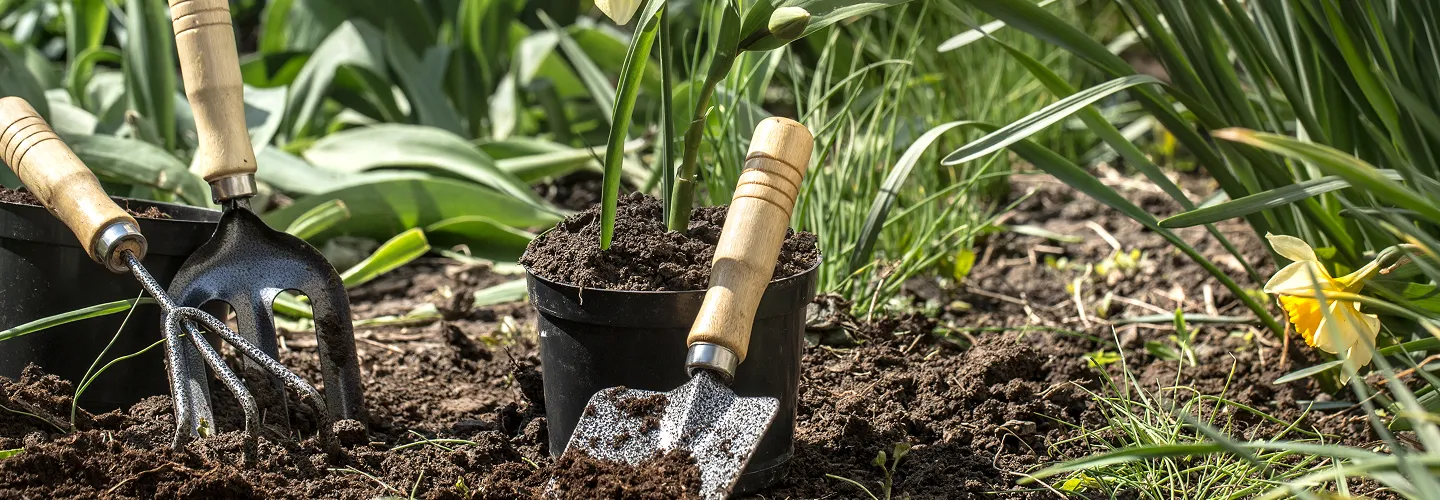
Hephzibah Weeding Services
Choose our expert weeding services for a healthier, more beautiful lawn—our experienced team removes unwanted growth efficiently, ensuring your garden thrives and your outdoor space stays pristine all season long.
Get a Free QuoteOur Hephzibah Landscaping & Yard Care Services
When to Schedule Weeding in Hephzibah, Georgia – Seasonal Guide
In Hephzibah, Georgia, the best times to schedule weeding are closely tied to our region’s unique climate and landscape. With warm, humid summers and mild winters, weed growth can be persistent, especially in neighborhoods like Jamestown and near the Spirit Creek Reservoir. Early spring and late fall are generally optimal for weeding, as soil moisture is higher and weeds are most vulnerable before they set seed. However, local factors such as late frost dates—often extending into March—and the risk of summer droughts can influence the timing. Properties with dense shade from mature oaks or pines, common in the Windsor Spring area, may require a different approach than open, sun-exposed lots. Soil type also plays a role; sandy soils near the Hephzibah City Park may dry out faster, affecting weed emergence and removal success. For more information on local environmental considerations, visit the Sudbury municipal resource.
Local Factors to Consider for Weeding in Hephzibah
- Tree density and shade coverage, especially in established neighborhoods
- Soil type (clay, loam, or sandy soils)
- Average precipitation and risk of summer drought
- Frost dates and seasonal temperature shifts
- Terrain and slope, which can affect water runoff and weed growth
- Municipal restrictions or guidelines for yard maintenance
Benefits of Weeding in Hephzibah
Enhanced Curb Appeal
Healthier Plant Growth
Weed Prevention Expertise
Time and Effort Savings
Eco-Friendly Landscaping Solutions
Consistent Lawn Maintenance
Hephzibah Weeding Types

Hand Weeding
-
Mechanical Weeding
-
Chemical Weed Control
-
Mulching for Weed Suppression
-
Flame Weeding
-
Soil Solarization
-
Organic Weed Management
Our Weeding Process
Site Evaluation
Weed Identification
Targeted Removal
Soil Treatment
Final Inspection
Why Choose Hephzibah Landscape Services
-
Hephzibah Homeowners Trust Us
-
Expert Lawn Maintenance
-
Reliable Scheduling
-
Competitive Pricing
-
Professional Team
-
Satisfaction Guarantee
-
Personalized Service
Hephzibah's Sandy Loam Soils and Their Impact on Seasonal Weed Pressure
Hephzibah sits within the upper Coastal Plain of Georgia, classified in USDA Hardiness Zone 8b, where the long warm season—typically March through October—creates persistent weed pressure across residential and commercial properties. The predominant soils in the Hephzibah area belong to the Norfolk, Orangeburg, and Dothan series according to the USDA Web Soil Survey. These sandy loam soils are well-drained but acidic, often registering a pH between 4.5 and 5.8, which favors aggressive weed species over desirable turf and garden plants. Key characteristics that affect weeding in Hephzibah include:
- Rapid drainage that reduces herbicide contact time, requiring precise application timing
- Low organic matter that limits natural weed suppression through competitive turf density
- Acidic conditions that encourage species such as broomsedge, crabgrass, and nutsedge
- Warm soil temperatures that trigger early germination of summer annual weeds, often by late February
Understanding these soil conditions is essential before selecting weeding methods. The UGA Cooperative Extension recommends soil testing through the Richmond County Extension office to determine pH and nutrient levels before implementing any integrated weed management plan.
How Hephzibah Code Enforcement Addresses Overgrown Lots and Nuisance Vegetation
Property owners and managers in Hephzibah should be aware that the City of Hephzibah enforces property maintenance standards that include vegetation control. Overgrown weeds, tall grass, and nuisance vegetation on residential and commercial lots may trigger code enforcement action. Hephzibah's Code Enforcement department monitors properties for compliance with local ordinances governing property upkeep, including vegetation height and lot maintenance. Violations may result in notices requiring corrective action within a specified timeframe. Key points for property owners include:
- Maintaining turf and landscape beds to prevent vegetation from exceeding locally established height thresholds
- Clearing weeds from sidewalks, driveways, drainage ditches, and right-of-way frontages
- Addressing invasive or noxious weed growth before it encroaches on neighboring properties or public infrastructure
- Responding promptly to any written notice from code enforcement to avoid potential fines or municipal abatement
Residents who have questions about specific vegetation standards or wish to report an overgrown property should contact the department directly.
Hephzibah Code Enforcement
City Hall, Hephzibah, GA 30815
Official Website: Hephzibah Code Enforcement
Optimal Weeding Timing for Hephzibah's Extended Warm-Season Growth Period
Hephzibah's climate, characterized by hot, humid summers and mild winters, produces a growing season that can exceed 240 days annually. Data from the National Weather Service Augusta office indicates average last frost dates near mid-March and first frost dates in mid-November, giving warm-season weeds an extended establishment window. Effective weeding in Hephzibah requires attention to seasonal timing:
- Late February–March: Apply pre-emergent weed control before soil temperatures consistently reach 55°F at a four-inch depth, which triggers crabgrass and goosegrass germination
- April–June: Peak period for hand-weeding and post-emergent treatment of broadleaf weeds such as chamberbitter, spurge, and Virginia buttonweed
- July–August: Monitor for nutsedge and doveweed, which thrive in Hephzibah's summer heat and afternoon thunderstorm moisture
- September–October: Address fall-germinating winter annuals like henbit and annual bluegrass before they establish root systems
- November–February: Reduced weed activity, but an ideal window for mulch replenishment and bed preparation to suppress spring germination
The UGA Cooperative Extension publishes region-specific weed identification guides and treatment calendars that align with Augusta-area growing conditions.
Protecting Hephzibah's Drainage Ditches and Stormwater Infrastructure During Weed Removal
Hephzibah's relatively flat terrain and sandy soils rely on a network of roadside drainage ditches, culverts, and stormwater conveyances to manage runoff. Weed removal activities—particularly those involving herbicide application or mechanical clearing near these features—must be conducted with environmental precautions. The Georgia EPD Watershed Protection Branch oversees water quality standards that apply to stormwater discharges, and the federal Clean Water Act prohibits the introduction of pollutants into waters of the United States. Practical steps for responsible weeding near drainage infrastructure include:
- Avoiding herbicide application within 10–15 feet of open ditches, culvert inlets, and stormwater catch basins
- Using targeted spot-treatment rather than broadcast spraying near any drainage feature
- Timing herbicide applications to avoid periods of heavy rainfall, which can carry chemicals into downstream waterways
- Collecting and bagging pulled weed material rather than leaving it in ditches where decomposition can contribute to nutrient loading
- Ensuring that no soil disturbance from weeding activities causes sediment to enter stormwater conveyances
Hephzibah Public Utilities manages water and wastewater infrastructure within the city. Property owners conducting weeding near utility easements or drainage corridors should verify current setback expectations.
Hephzibah Public Utilities
City Hall, Hephzibah, GA 30815
Official Website: Hephzibah Public Utilities
Georgia Pesticide Licensing Requirements for Professional Herbicide Application in Hephzibah
When weeding services involve the use of chemical herbicides—whether pre-emergent granulars, post-emergent broadleaf sprays, or non-selective products like glyphosate—Georgia law requires that commercial applicators hold appropriate licensure. The Georgia Pesticide Use and Application Act of 1976 mandates that any person applying pesticides for hire must be licensed or work under the direct supervision of a licensed applicator. The Georgia Department of Agriculture administers the licensing program, which includes:
- Category 24 (Ornamental and Turf Pest Control): Required for herbicide application in residential and commercial landscape settings
- Written examination covering pesticide safety, label interpretation, environmental protection, and integrated pest management
- Continuing education requirements for license renewal
- Recordkeeping obligations including product name, EPA registration number, application rate, date, and location
Hephzibah residents hiring professional weeding services should verify that the provider holds a valid Georgia pesticide applicator license. Unlicensed application of restricted-use herbicides is a violation of state law and may result in penalties administered by the Georgia Department of Agriculture - Agricultural Pest Control division.
What Neighborhoods Do We Serve Throughout Hephzibah, GA?
- Windsor Spring Road Corridor: Properties along this central corridor feature established lots with mature landscaping, where shade from large hardwoods promotes shade-tolerant weed species such as doveweed and annual bluegrass in thin turf areas.
- Tobacco Road Area: Lots in this area often sit on well-drained Orangeburg and Norfolk sandy loams, where fast-draining soils reduce herbicide efficacy and require more frequent hand-weeding and mulch maintenance in garden beds.
- Brothersville Road Neighborhoods: Residential properties here include a mix of older homesites with compacted yards and newer developments, creating varied weed pressure from both established perennial weeds and pioneer species colonizing disturbed soils.
- Highway 88 Residential Areas: Properties near this corridor may border drainage ditches and open land, increasing exposure to wind-dispersed weed seeds from adjacent undeveloped parcels and requiring consistent perimeter weed management.
- Meadowbrook and Surrounding Subdivisions: These planned subdivisions feature uniform lot sizes with HOA-maintained common areas, where consistent bed weeding and frontage maintenance are essential to meet community appearance standards.
- Keysville Road Properties: Rural-residential lots along this route tend toward larger acreage with wooded edges, where invasive species such as Japanese stiltgrass and Chinese privet can encroach from tree lines into maintained garden beds and lawn areas. The UGA Extension - Invasive Species program provides identification resources for these species.